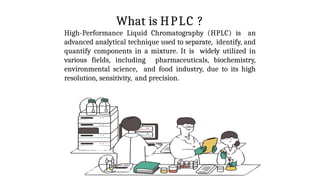
Peptide Laboratory Examination Outcomes
Peptide Pureness Resolution Innovative Peptides-peptide Medication Exploration The chromatogram is the most essential visual information component on an HPLC peptide examination record. It is a graph with time on the horizontal axis and detector response, generally UV absorbance, on the upright axis. Each peak represents a part that was separated and spotted. Even minor impurities can change results, minimize reproducibility, or present undesirable variables into a study. Researchers depend on accurate, validated substances to ensure their findings are both legitimate and regular. This has been enabled by the capability to manufacture peptides to high purity and in large range. An almost endless mix of series that frequently consist of modified amino acids, nonetheless, makes substantial needs on synthesis optimization. Testing makes a lot of feeling for brand-new vendor analysis, pricey acquisitions, safety-critical applications, or when troubleshooting unexpected results. HPLC is among the most typically made use of approaches in peptide purity testing. If you see numerous huge peaks of similar height, you're considering either a low-purity sample or a mixture. If the primary height has a noticeable "shoulder"-- a bump on one side-- that often indicates a closely related impurity (like a removal peptide) that the column couldn't fully fix. The peptide is gone through a simple purification step (often gel purification or a fast reversed-phase cleaning) to eliminate salts, small-molecule results, and scavengers from the cleavage action. Questions like how much time peptides last end up being relevant after confirmation. Standard turn-around is typically 5-7 company days from sample receipt. Rush handling can decrease this to 2-3 days at additional cost. Plan study timelines to fit screening delays, especially for time-sensitive applications. A purity percent without a chromatogram is clinically insufficient. The chromatogram supplies visual verification of the asserted pureness. According Molecular Biology to ICH guidelines, confirmed methods suggest the lab has established the examination's accuracy, precision, discovery limits, and so on, guaranteeing the information you get are reputable. Peptide pureness screening is the process of validating that a peptide example consists of only the designated sequence-- and no considerable impurities or byproducts from synthesis. Due to the fact that peptides are produced via complex chemical procedures, trace impurities can create normally. Testing allows scientists to understand precisely what remains in the vial, verifying both identity and top quality. Measuring peptide pureness is generally done with analytical high-performance fluid chromatography (HPLC), frequently Peptide Technology paired with mass spectrometry (MS) for identification verification.
Eastern Logical Symposium Testimonial
Find verified vendors using high-purity peptides, clear documentation, and consistent high quality for your speculative demands. Alternatively, a peptide revealing good HPLC purity may have discreetly moved mass specification data recommending a modification (such as methionine oxidation) that isn't serious enough to cause chromatographic splitting up. 98% purity by RP-HPLC is the common benchmark for research-grade peptides and represents a durable degree of pureness for many preclinical research applications.Exactly How Purity Is Gauged: Hplc Described Merely
- Peptides like ipamorelin and sermorelin boost all-natural hormone production.
- In the typical peptide COA context, peak purity generally describes the percent of overall chromatogram area represented by the major peptide optimal.
- Each peptide has a various expected molecular weight, so mass verification is not a generic badge; it is compound-specific evidence.
- Prior to devoting to larger orders or continuous purchases, confirm that preliminary products satisfy declared specifications.
- Don't be surprised-- this is typical and is usually identified by separate evaluations (like amino acid analysis).
Is 95% purity good for peptides?
Peptides with an 85% purity degree or greater are generally utilized in enzyme assays or biological activity research studies. Peptides with pureness above 95% are superb for measurable analysis.
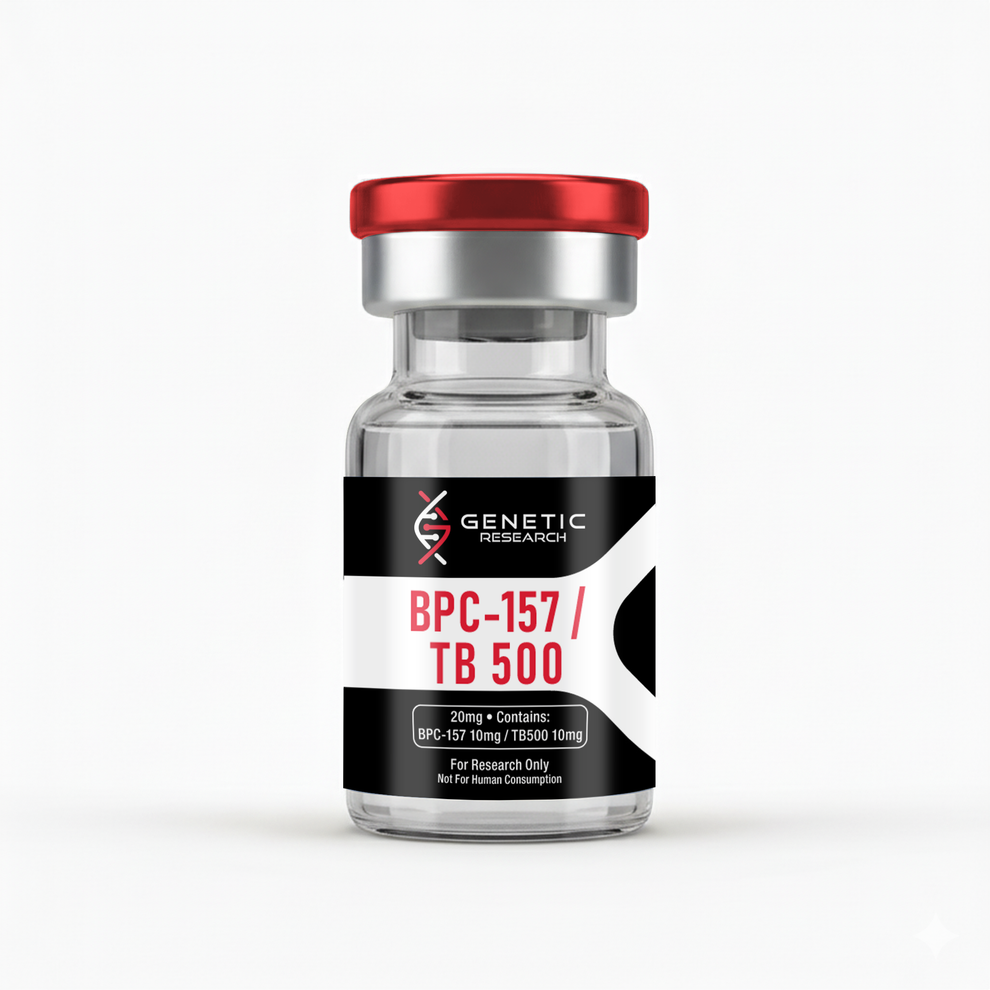
Mass Spectrometry
Because each amino acid has a particular deposit mass, the sum of residue masses for the target series generates a forecasted molecular weight. The mass spec result must match this anticipated value within appropriate tolerance. HPLC-tested implies the example was run through high-performance liquid chromatography to divide the target peptide from impurities. The pureness percentage is normally computed from the main top area separated by the total incorporated peak location. The most effective peptide suppliers purchase reputable quality assurance. Yet differentiating these vendors from those who reduced edges calls for recognizing what proper screening looks like. In concentration-response experiments, these pollutants can move curves, squash plateaus, or present biphasic habits that covers truth task of the target compound. Peptides including methionine or cysteine deposits are vulnerable to oxidation. Methionine can be oxidized to methionine sulfoxide; cysteine can create unwanted disulfide bonds or be oxidized to sulfinic or sulfonic acid by-products. These adjustments alter the peptide's biological task and chromatographic profile. Peptides in microspheres and nanoparticles may ensnare with matrices, making it challenging to divide totally free and encapsulated types. Evaluating costs vary based on analysis type, lab, sample intricacy, and turnaround demands. Understanding regular pricing assists allocate ideal confirmation. Eurofins BioPharma uses extensive cGMP testing sustaining drug substance and drug item programs, from basic materials launch via sterile fill-finish services.